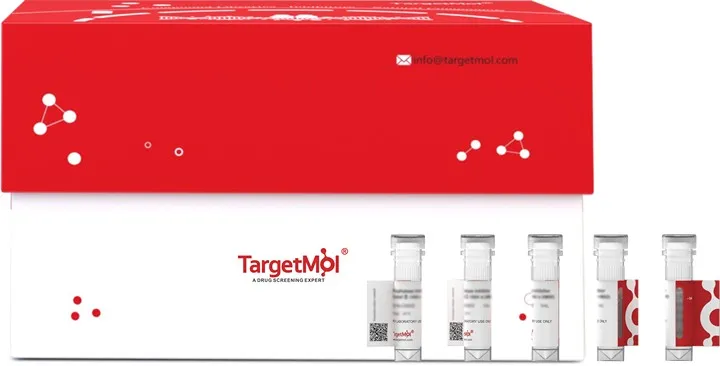
VAPB Protein, Human, Recombinant (His)

SKU TMPY-02196-100 μg Category Brand:

960 CAD

Only 1000 item(s) left in stock.

Products Details

Product Description

– Vesicle-associated membrane protein-associated protein B / C, also known as VAMP-B/VAMP-C, VAMP-associated protein B/C, VAP-B/VAP-C and VAPB, is a single-pass type IV membrane protein that belongs to the VAMP-associated protein (VAP) family. VAPB contains one MSP domain. VAPB may play a role in vesicle trafficking. VAPB forms a heterodimer with VAPA. VAPB interacts with VAMP1 and VAMP2. Defects in VAPB are the cause of amyotrophic lateral sclerosis type 8 ( ALS8 ) which is a familial form of amyotrophic lateral sclerosis, a neurodegenerative disorder affecting upper and lower motor neurons and resulting in fatal paralysis. Defects in VAPB are also a cause of spinal muscular atrophy autosomal dominant Finkel type (SMAF) which is characterized by proximal muscle weakness that begins in the lower limbs and then progresses to upper limbs.

Web ID

– TMPY-02196

Storage Temperature

– -20℃

Shipping

– Blue Ice

References

– Nishimura Y., et al., 1999, Biochem. Biophys. Res. Commun. 254:21-26.

Molecular Weight

Product type

– Recombinant-Protein

Disclaimer: All products are for Research use only unless clearly stated otherwise on the product datasheet. Datasheets provided on the website are drafts for reference purpose only and you are requested to always refer to the hard copy included in the kit for your experimentation. Agdia Products are available for delivery only in Canada.

My Cart
Wishlist
Recently Viewed
Categories

Request Data Sheet / Safty Data Sheet

Please enable JavaScript in your browser to complete this form.
=

Price Request

Please enable JavaScript in your browser to complete this form.
=

Compare Products (0 Products)
document.addEventListener('elementor/popup/show', function() { if (typeof turnstile !== 'undefined') { document.querySelectorAll('.cf-turnstile').forEach(function(el) { if (!el.dataset.rendered) { turnstile.render(el); el.dataset.rendered = true; } }); } });