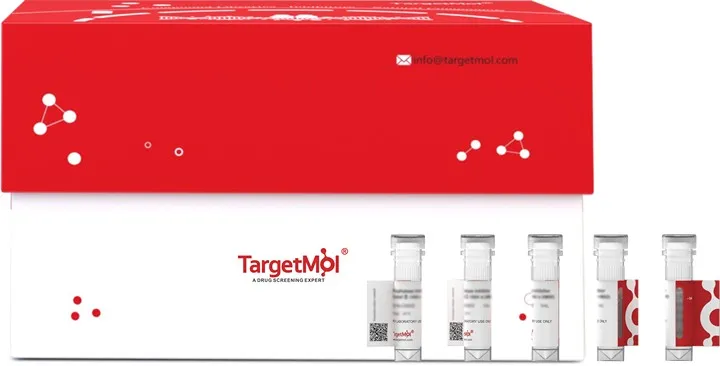
SLAMF5 Protein, Mouse, Recombinant (His)

SKU TMPJ-00455-1 mg Category Brand:

Price range: 186 CAD through 4,368 CAD

Products Details

Product Description

– CD84, also called SLAMF5, is a member of the CD2 subgroup of the immunoglobulin receptor superfamily. Members of this CD2 subgroup mediate signal transduction through the interaction of its immunoreceptor tyrosine-based switch motifs (ITSM) in the intracellular region and the SH2 domain of adaptor molecules SAP (SLAM-associated protein) and EAT-2 (EWS-activated transcript 2), and accordingly modulate both adaptive and innate immune responses. CD84 expression has been documented on several hematopoietic cell types, including monocytes, macrophages, dendritic cells, B lymphocytes, and platelets. Activation of cell surface CD84 initiates a signaling cascade involving its intra-cytoplasmic tyrosine residues that results in Bcl-2 upregulation, which in turn enhances cell survival. Either immunoneutralization or blockade of CD84 with a CD84 extracellular domain protein fragment induces cell death in vitro and in vivo.

Web ID

– TMPJ-00455

Storage Temperature

– -20℃

Shipping

– Blue Ice

Molecular Weight

Product type

– Recombinant-Protein

Disclaimer: All products are for Research use only unless clearly stated otherwise on the product datasheet. Datasheets provided on the website are drafts for reference purpose only and you are requested to always refer to the hard copy included in the kit for your experimentation. Agdia Products are available for delivery only in Canada.

My Cart
Wishlist
Recently Viewed
Categories

Request Data Sheet / Safty Data Sheet

Please enable JavaScript in your browser to complete this form.
=

Price Request

Please enable JavaScript in your browser to complete this form.
=

Compare Products (0 Products)
document.addEventListener('elementor/popup/show', function() { if (typeof turnstile !== 'undefined') { document.querySelectorAll('.cf-turnstile').forEach(function(el) { if (!el.dataset.rendered) { turnstile.render(el); el.dataset.rendered = true; } }); } });