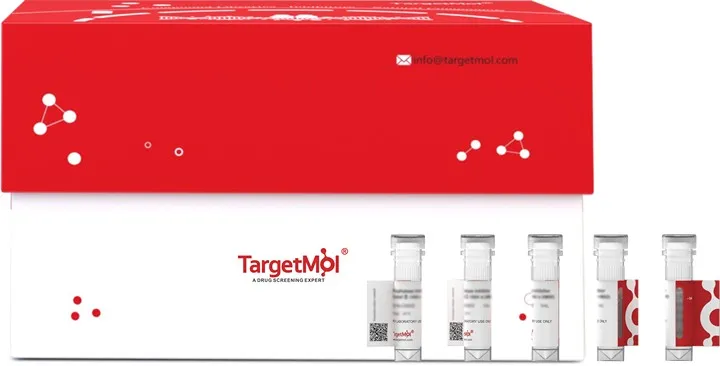
PIP4K2A Protein, Human, Recombinant (His)

SKU TMPJ-00978-1 mg Category Brand:

Price range: 294 CAD through 4,752 CAD

Products Details

Product Description

– Phosphatidylinositol 5-phosphate 4-kinase type-2 alpha (PIP4K2A) is a member of the phosphatidylinositol-4-phosphate 5-kinase family. It contains 1 PIPK domain and is expressed ubiquitously, with high levels in the brain. It catalyzes the phosphorylation of phosphatidylinositol 5-phosphate (PtdIns5P) on the fourth hydroxyl of the myo-inositol ring, to form phosphatidylinositol 4,5-bisphosphate (PtdIns(4,5)P2). It may exert its function by regulating the levels of PtdIns5P, which functions in the cytosol by increasing AKT activity and in the nucleus signals through ING2. It may regulate the pool of cytosolic PtdIns5P in response to the activation of tyrosine phosphorylation, negatively regulate insulin-stimulated glucose uptake by lowering the levels of PtdIns5P. It also involved in thrombopoiesis, and the terminal maturation of megakaryocytes and regulation of their size.

Web ID

– TMPJ-00978

Storage Temperature

– -20℃

Shipping

– Blue Ice

Molecular Weight

Compound Purity

– Greater than 95% as determined by reducing SDS-PAGE.

Product type

– Recombinant-Protein

Disclaimer: All products are for Research use only unless clearly stated otherwise on the product datasheet. Datasheets provided on the website are drafts for reference purpose only and you are requested to always refer to the hard copy included in the kit for your experimentation. Agdia Products are available for delivery only in Canada.

My Cart
Wishlist
Recently Viewed
Categories

Request Data Sheet / Safty Data Sheet

Please enable JavaScript in your browser to complete this form.
=

Price Request

Please enable JavaScript in your browser to complete this form.
=

Compare Products (0 Products)
document.addEventListener('elementor/popup/show', function() { if (typeof turnstile !== 'undefined') { document.querySelectorAll('.cf-turnstile').forEach(function(el) { if (!el.dataset.rendered) { turnstile.render(el); el.dataset.rendered = true; } }); } });