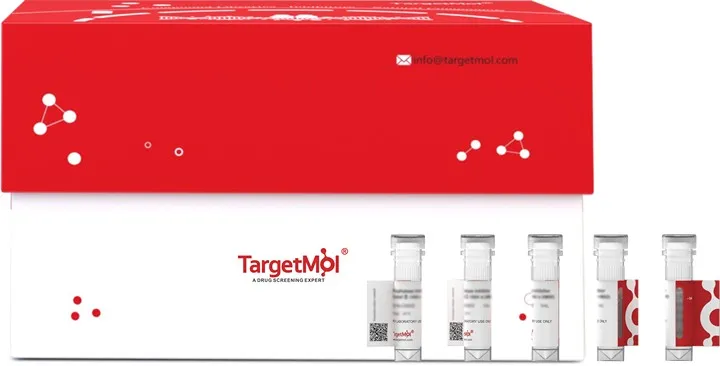
CAMKII alpha/CAMK2A Protein, Human, Recombinant (GST)

SKU TMPY-04373-50 μg Category Brand:

797 CAD

Only 1000 item(s) left in stock.

Products Details

Product Description

– Ca2+/calmodulin-dependent protein kinase2A (CAMK2A) belongs to the serine/threonine protein kinase family and, together with other 28 different isoforms, belongs to the Ca2+/ calmodulin-dependent protein kinase subfamily. CaM kinase Ⅱ is thought to be an important mediator of learning and memory and is also necessary for Ca2+homeostasis and reuptake in cardiomyocytes chloride transport in epithelia, positive T-cell selection, and CD8 T-cell activation. CAMKIIA is one of the major forms of CAMKII. It has been found to play a critical role in sustaining activation of CAMKII at the postsynaptic density. Studies have found that knockout mice without CAMKIIA demonstrate a low frequency of LTP. Additionally, these mice do not form persistent, stable place cells in the hippocampus.

Web ID

– TMPY-04373

Storage Temperature

– -20℃

Shipping

– Blue Ice

References

– Lin CR,et al.(1987). Molecular cloning of a brain-specific calcium/calmodulin-dependent protein kinase. Proc Natl Acad Sci U S A. 84 (16): 5962-6.

Molecular Weight

Product type

– Recombinant-Protein

Disclaimer: All products are for Research use only unless clearly stated otherwise on the product datasheet. Datasheets provided on the website are drafts for reference purpose only and you are requested to always refer to the hard copy included in the kit for your experimentation. Agdia Products are available for delivery only in Canada.

My Cart
Wishlist
Recently Viewed
Categories

Request Data Sheet / Safty Data Sheet

Please enable JavaScript in your browser to complete this form.
=

Price Request

Please enable JavaScript in your browser to complete this form.
=

Compare Products (1 Product)
document.addEventListener('elementor/popup/show', function() { if (typeof turnstile !== 'undefined') { document.querySelectorAll('.cf-turnstile').forEach(function(el) { if (!el.dataset.rendered) { turnstile.render(el); el.dataset.rendered = true; } }); } });