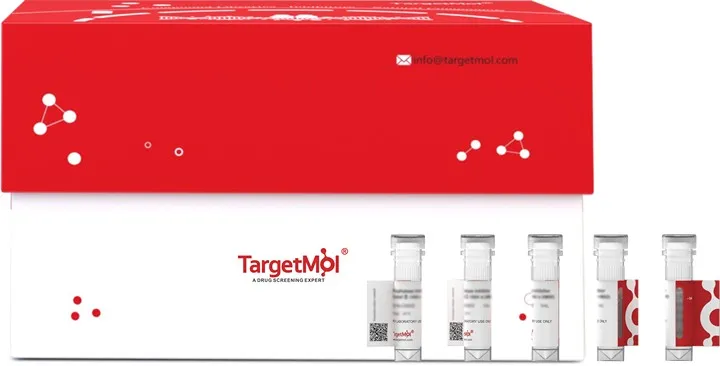
Artemin Protein, Mouse, Recombinant (hFc)

SKU TMPY-01576-100 μg Category Brand:

1,120 CAD

Only 1000 item(s) left in stock.

Products Details

Product Description

– Artemin (ARTN) is a member of glial cell line-derived neurotrophic factor (GDNF) family of ligands, and its signaling is mediated via a multi-component receptor complex including the glycosylphosphatidylinositol-anchored GDNF family receptors a (GFRa1, GFRa3) and RET receptor tyrosine kinase. The major mechanism of ARTN action is via binding to a non-signaling co-receptor. The major function of ARTN is to drive the molecule to induce migration and axonal projection from sympathetic neurons. It also promotes the survival, proliferation and neurite outgrowth of sympathetic neurons in vitro. ARTN triggers oncogenicity and metastasis by the activation of the AKT signaling pathway. Recent studies have reported that the expression of ARTN in hepatocellular carcinoma is associated with increased tumor size, quick relapse and shorter survival. Furthermore, ARTN promotes drug resistance such as antiestrogens, doxorubicin, fulvestrant, paclitaxel, tamoxifen and trastuzumab. Moreover, ARTN also stimulates the radio-therapeutic resistance. Hypoxia has been reported to regulate the cancer stem cell (CSC) population yet the underlying mechanism is poorly characterized. Artemin (ARTN) is a member of the glial cell derived neurotrophic factor family of ligands, is a hypoxia-responsive factor and is essential for hypoxia-induced CSC expansion in hepatocellular carcinoma (HCC). Clinically, elevated expression of ARTN in HCC was associated with larger tumor size, faster relapse and shorter survival. In vitro, HCC cells with forced expression of ARTN exhibited reduced apoptosis, increased proliferation, epithelial-mesenchymal transition (EMT) and enhanced motility. Additionally, ARTN dramatically increased xenograft tumor size and metastasis in vivo. Moreover, ARTN also enhanced tumorsphere formation and the tumor initiating capacity of HCC cells, consequent to expansion of the CD133+ CSC population. ARTN transcription was directly activated by hypoxia-induced factor-1α (HIF-1α) and hypoxia induced ARTN promoted EMT and increased the CSC population via AKT signaling.

Web ID

– TMPY-01576

Storage Temperature

– -20℃

Shipping

– Blue Ice

Molecular Weight

Product type

– Recombinant-Protein

Disclaimer: All products are for Research use only unless clearly stated otherwise on the product datasheet. Datasheets provided on the website are drafts for reference purpose only and you are requested to always refer to the hard copy included in the kit for your experimentation. Agdia Products are available for delivery only in Canada.

My Cart
Wishlist
Recently Viewed
Categories

Request Data Sheet / Safty Data Sheet

Please enable JavaScript in your browser to complete this form.
=

Price Request

Please enable JavaScript in your browser to complete this form.
=

Compare Products (0 Products)
document.addEventListener('elementor/popup/show', function() { if (typeof turnstile !== 'undefined') { document.querySelectorAll('.cf-turnstile').forEach(function(el) { if (!el.dataset.rendered) { turnstile.render(el); el.dataset.rendered = true; } }); } });