Download Files:
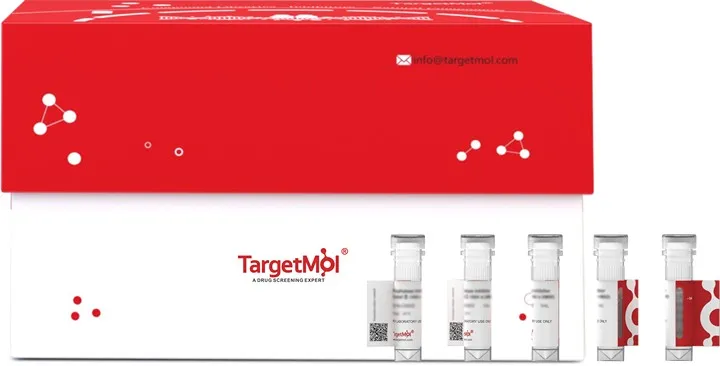
Acetylcholinesterase Protein, Mouse, Recombinant (His)
637 CAD
Only 1000 item(s) left in stock.
Products Details
Product Description
– Acetylcholinesterase, also known as ACHE, is an enzyme that degrades (through its hydrolytic activity) the neurotransmitter acetylcholine, producing choline and an acetate group. Acetylcholinesterase plays a crucial role in nerve impulse transmission at cholinergic synapses by rapid hydrolysis of the neurotransmitter acetylcholine (ACh). ACHE appears to be a potential therapeutic target at muscle injuries including organophosphate myopathy. It is an externally oriented membrane-bound enzyme and its main physiological role is termination of chemical transmission at cholinergic synapses and secretory organs by rapid hydrolysis of the neurotransmitter acetylcholine (ACh). ACHE plays important roles in the cholinergic system, and its dysregulation is involved in a variety of human diseases. ACHE was significantly down-regulated in the cancerous tissues of 69.2% of hepatocellular carcinoma (HCC) patients, and the low ACHE expression in HCC was correlated with tumor aggressiveness, an elevated risk of postoperative recurrence, and a low survival rate. Both the recombinant ACHE protein and the enhanced expression of ACHE significantly inhibited HCC cell growth in vitro and tumorigenicity in vivo. ACHE as a tumor growth suppressor in regulating cell proliferation, the relevant signaling pathways, and the drug sensitivity of HCC cells. Thus, ACHE is a promising independent prognostic predictor for HCC recurrence and the survival of HCC patients. ACHE is responsible for the hydrolysis of acetylcholine in the nervous system. It is inhibited by organophosphate and carbamate pesticides. However, this enzyme is only slightly inhibited by organophosphorothionates.
Web ID
– TMPY-01742
Storage Temperature
– -20℃
Shipping
– Blue Ice
References
– Zhao Y,et al.(2011) Acetylcholinesterase, a key prognostic predictor for hepatocellular carcinoma, suppresses cell growth and induces chemosensitization. Hepatology. 53(2): 493-503.
Molecular Weight
Product type
– Recombinant-Protein
Disclaimer: All products are for Research use only unless clearly stated otherwise on the product datasheet. Datasheets provided on the website are drafts for reference purpose only and you are requested to always refer to the hard copy included in the kit for your experimentation. Agdia Products are available for delivery only in Canada.
Related Products
Ferredoxin Protein, Acetoanaerobium sticklandii, Recombinant (His & Myc)
576 CAD – 4,048 CADPrice range: 576 CAD through 4,048 CAD
1000 in stock
Abrin-c Protein, Abrus precatorius, Recombinant (His & Myc)
576 CAD – 4,048 CADPrice range: 576 CAD through 4,048 CAD
1000 in stock
Ataxin-8 Protein, Human, Recombinant (GST)
1,008 CAD – 2,512 CADPrice range: 1,008 CAD through 2,512 CAD
1000 in stock
29 kDa outer membrane Protein, Acinetobacter baumannii, Recombinant (His & Myc & SUMO)
576 CAD – 4,048 CADPrice range: 576 CAD through 4,048 CAD
1000 in stock