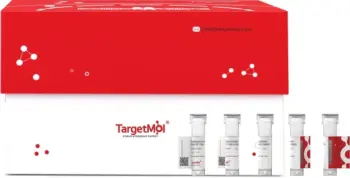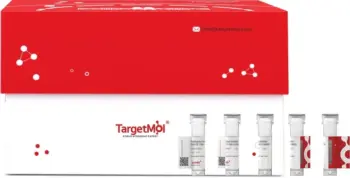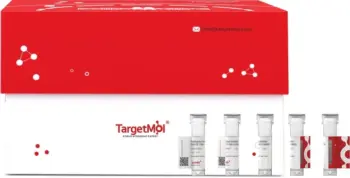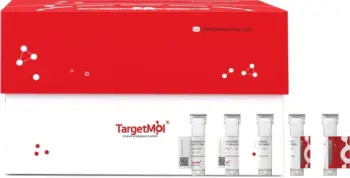
Aspartate Aminotransferase/GOT1 Protein, Human, Recombinant (His)

SKU TMPY-03445-100 μg Category Brand:

637 CAD

Only 1000 item(s) left in stock.

Products Details

Product Description

– GOT1 (Glutamic-Oxaloacetic Transaminase 1) is a Protein Coding gene. GOT1 belongs to the class-I pyridoxal-phosphate-dependent aminotransferase family. Glutamic-oxaloacetic transaminase is a pyridoxal phosphate-dependent enzyme that exists in cytoplasmic and mitochondrial forms, GOT1 and GOT2, respectively. GOT plays a role in amino acid metabolism and the urea and tricarboxylic acid cycles. The two enzymes are homodimeric and show close homology. GOT1 is an important regulator of levels of glutamate, the major excitatory neurotransmitter of the vertebrate central nervous system. GOT1 is broadly expressed in the heart, liver, and other tissues. Diseases associated with GOT1 include Aspartate Aminotransferase, Serum Level Of, Quantitative Trait Locus 1, and Lujo Hemorrhagic Fever.

Web ID

– TMPY-03445

Storage Temperature

– -20℃

Shipping

– Blue Ice

References

– Xiao X,et al. (2004) The SARS-CoV S glycoprotein. Cell Mol Life Sci. 61 (19-20): 2428-30.

Molecular Weight

Product type

– Recombinant-Protein

Disclaimer: All products are for Research use only unless clearly stated otherwise on the product datasheet. Datasheets provided on the website are drafts for reference purpose only and you are requested to always refer to the hard copy included in the kit for your experimentation. Agdia Products are available for delivery only in Canada.

My Cart
Wishlist
Recently Viewed
Categories

Request Data Sheet / Safty Data Sheet

Please enable JavaScript in your browser to complete this form.
=

Price Request

Please enable JavaScript in your browser to complete this form.
=

Compare Products (0 Products)
document.addEventListener('elementor/popup/show', function() { if (typeof turnstile !== 'undefined') { document.querySelectorAll('.cf-turnstile').forEach(function(el) { if (!el.dataset.rendered) { turnstile.render(el); el.dataset.rendered = true; } }); } });