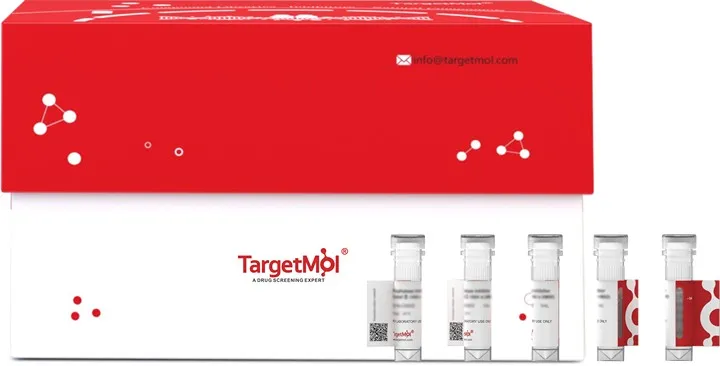
hFcgR4 Protein, Mouse, Recombinant (His)

SKU TMPJ-00534-1 mg Category Brand:

Price range: 186 CAD through 4,368 CAD

Products Details

Product Description

– Fcgr4, also known as CD16-2, is one of the receptors for Fc region of IgG which involve in immune responses. Fcgr4 mainly functions in cellular response to lipopolysaccharide, NK T cell proliferation, regulation of sensory perception of pain, wound healing etc. Three groups are included for Fc γ receptors (FcR), and they are Fc γ RI (CD64), Fc γ RII (CD32), and Fc γ RIII (CD16). Among these, CD64 possess high affinity even for monomeric IgG, while CD32 and CD16 display a relative lower affinity for IgG. Genes encodes these receptors are diverse differing by species and cell types. The aggregation of FcR having immunoreceptor tyrosine-based activation motifs (ITAMs) activates sequentially src family tyrosine kinases and syk family tyrosine kinases that connect transduced signals to common activation pathways shared with other receptors. FcR with ITAMs elicit cell activation, endocytosis, and phagocytosis. Fcgr4 belongs to Fc γ RIII (CD16) group.

Web ID

– TMPJ-00534

Storage Temperature

– -20℃

Shipping

– Blue Ice

Molecular Weight

Product type

– Recombinant-Protein

Disclaimer: All products are for Research use only unless clearly stated otherwise on the product datasheet. Datasheets provided on the website are drafts for reference purpose only and you are requested to always refer to the hard copy included in the kit for your experimentation. Agdia Products are available for delivery only in Canada.

My Cart
Wishlist
Recently Viewed
Categories

Request Data Sheet / Safty Data Sheet

Please enable JavaScript in your browser to complete this form.
=

Price Request

Please enable JavaScript in your browser to complete this form.
=

Compare Products (0 Products)
document.addEventListener('elementor/popup/show', function() { if (typeof turnstile !== 'undefined') { document.querySelectorAll('.cf-turnstile').forEach(function(el) { if (!el.dataset.rendered) { turnstile.render(el); el.dataset.rendered = true; } }); } });