Download Files:
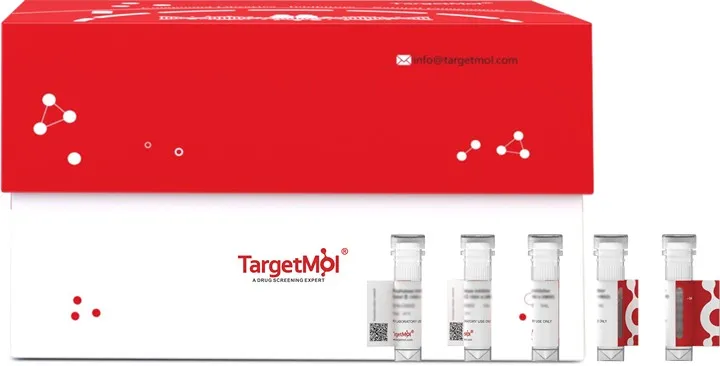
XPC Protein, Human, Recombinant (His)
317 CAD – 2,928 CADPrice range: 317 CAD through 2,928 CAD
Products Details
Product Description
– Involved in global genome nucleotide excision repair (GG-NER) by acting as damage sensing and DNA-binding factor component of the XPC complex. Has only a low DNA repair activity by itself which is stimulated by RAD23B and RAD23A. Has a preference to bind DNA containing a short single-stranded segment but not to damaged oligonucleotides. This feature is proposed to be related to a dynamic sensor XPC can rapidly screen duplex DNA for non-hydrogen-bonded bases by forming a transient nucleoprotein intermediate complex which matures into a stable recognition complex through an intrinsic single-stranded DNA-binding activity. The XPC complex is proposed to represent the first factor bound at the sites of DNA damage and together with other core recognition factors, XPA, RPA and the TFIIH complex, is part of the pre-incision (or initial recognition) complex. The XPC complex recognizes a wide spectrum of damaged DNA characterized by distortions of the DNA helix such as single-stranded loops, mismatched bubbles or single-stranded overhangs. The orientation of XPC complex binding appears to be crucial for inducing a productive NER. XPC complex is proposed to recognize and to interact with unpaired bases on the undamaged DNA strand which is followed by recruitment of the TFIIH complex and subsequent scanning for lesions in the opposite strand in a 5′-to-3′ direction by the NER machinery. Cyclobutane pyrimidine dimers (CPDs) which are formed upon UV-induced DNA damage esacpe detection by the XPC complex due to a low degree of structural perurbation. Instead they are detected by the UV-DDB complex which in turn recruits and cooperates with the XPC complex in the respective DNA repair. In vitro, the XPC:RAD23B dimer is sufficient to initiate NER; it preferentially binds to cisplatin and UV-damaged double-stranded DNA and also binds to a variety of chemically and structurally diverse DNA adducts. XPC:RAD23B contacts DNA both 5′ and 3′ of a cisplatin lesion with a preference for the 5′ side. XPC:RAD23B induces a bend in DNA upon binding. XPC:RAD23B stimulates the activity of DNA glycosylases TDG and SMUG1.; In absence of DNA repair, the XPC complex also acts as a transcription coactivator: XPC interacts with the DNA-binding transcription factor E2F1 at a subset of promoters to recruit KAT2A and histone acetyltransferase complexes (HAT). KAT2A recruitment specifically promotes acetylation of histone variant H2A.Z.1/H2A.Z, but not H2A.Z.2/H2A.V, thereby promoting expression of target genes.
Web ID
– TMPH-01239
Storage Temperature
– -20℃
Shipping
– Blue Ice
Molecular Weight
Product type
– Recombinant-Protein
Disclaimer: All products are for Research use only unless clearly stated otherwise on the product datasheet. Datasheets provided on the website are drafts for reference purpose only and you are requested to always refer to the hard copy included in the kit for your experimentation. Agdia Products are available for delivery only in Canada.
Related Products
Elongation factor Tu Protein, Acinetobacter baumannii, Recombinant (His)
635 CAD – 3,120 CADPrice range: 635 CAD through 3,120 CAD
1000 in stock
Outer membrane protein Omp38, Acinetobacter baumannii, Recombinant (His)
635 CAD – 3,120 CADPrice range: 635 CAD through 3,120 CAD
1000 in stock
Holo-ACP synthase Protein, A. laidlawii, Recombinant (His & Myc)
576 CAD – 4,048 CADPrice range: 576 CAD through 4,048 CAD
1000 in stock
YAP1 Protein, Human, Recombinant (Isoform 9, His)
370 CAD – 2,128 CADPrice range: 370 CAD through 2,128 CAD
1000 in stock